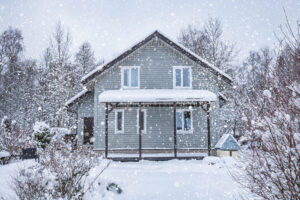
After a major snowstorm, digging out can feel overwhelming. While clearing snow is essential, doing it safely and thoroughly is just as important. Snow buildup can create hidden hazards around your home that impact air quality, fire safety, and overall family well-being. At Advanced Air Duct Cleaning, we encourage homeowners to approach post-storm cleanup with safety in mind.
Start with Safety First
Before heading outside, dress appropriately. Wear warm layers, waterproof boots with traction, gloves, and consider eye protection. Snow removal is physically demanding, so take breaks, stay hydrated, and avoid overexertion—especially in cold temperatures.
Clear Walkways and Entrances Immediately
Begin by clearing primary walkways, stairs, and entry points. These areas should be free of snow and ice to prevent slips and falls. Use ice melt or sand where needed, and pay close attention to handrails, steps, and door thresholds.
Shovel Smart to Avoid Injury
Snow can be deceptively heavy. Use proper lifting techniques:
- Push snow when possible instead of lifting
- Lift with your legs, not your back
- Avoid twisting while carrying snow
- Take frequent breaks
Heart strain and back injuries are common after storms, so listen to your body.
Do Not Forget Exterior Vents and Exhausts
One of the most commonly overlooked—and most dangerous—post-storm tasks is clearing exterior vents.
Dryer vent exhausts, furnace vents, and bathroom exhaust outlets must remain clear of snow and ice. When these vents are blocked, dangerous conditions can develop.
Why Clearing Your Dryer Vent Is Critical
If your dryer vent is buried or blocked by snow:
- Moisture and lint cannot exit properly
- Heat can build up inside the dryer system
- Fire risk increases due to trapped lint
- Carbon monoxide may backdraft into the home (for gas dryers)
Always locate your dryer vent exhaust and ensure it is fully clear and unobstructed after every snowfall.
Check Furnace and Appliance Vents
High-efficiency furnaces and other fuel-burning appliances vent to the exterior. Snow or ice blocking these vents can cause carbon monoxide to back up into your home. Carbon monoxide is odorless and invisible, making it extremely dangerous—especially while sleeping.
Ensure all intake and exhaust pipes are free of snow, ice, and drifting buildup.
Remove Snow from Around the Foundation
Snow piled against your home’s foundation can melt and refreeze, increasing the risk of water intrusion and ice damage. Clearing snow a few feet away from the foundation helps protect basements, crawlspaces, and exterior walls.
Watch for Ice Dams on the Roof
Ice dams form when heat escapes from the attic, melting snow that refreezes at the roof edge. These can cause water to back up under shingles and leak into the home. While some snow removal from roof edges may help, professional evaluation is recommended for ongoing issues.
Inspect Outdoor Equipment and Vents Regularly
After a storm, revisit your property over the following days. Wind and drifting snow can quickly re-block vents and exhausts. Make it a habit to recheck these areas during prolonged winter conditions.
After a storm, revisit your property over the following days. Wind and drifting snow can quickly re-block vents and exhausts. Make it a habit to recheck these areas during prolonged winter conditions.
Why Winter Maintenance Matters
Post-storm snow cleanup is not just about convenience—it is about safety. Proper snow removal:
- Reduces fall and injury risk
- Prevents fire hazards
- Protects indoor air quality
- Reduces carbon monoxide exposure
- Helps preserve your home’s systems
The Bottom Line
After a big snowstorm, taking the time to clear snow safely and thoroughly can prevent serious hazards inside and outside your home. Pay special attention to dryer vents and appliance exhausts, as these are critical for fire prevention and healthy airflow.
If you have concerns about dryer vent blockages, airflow issues, or winter-related buildup, Advanced Air Duct Cleaning is here to help keep your home safe year-round, contact us today!