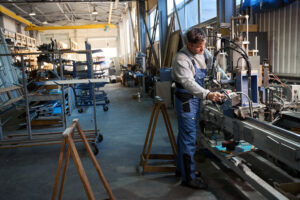
Vocational schools, technical training centers, metal fabrication shops, woodworking programs, and industrial workshops rely heavily on dust collection systems to protect students, instructors, and employees from airborne contaminants. While many facilities invest in dust collection equipment, far fewer recognize the importance of regularly cleaning and maintaining the entire dust collection and exhaust system.
Over time, dust, metal shavings, wood particles, and other contaminants accumulate throughout ductwork, collection systems, exhaust fans, and filtration components. When these systems become dirty, airflow is reduced, collection efficiency declines, and indoor air quality can suffer significantly.
Routine dust collection system cleaning is one of the most effective ways to maintain a safe learning environment, improve indoor air quality, and protect valuable equipment.
What Does a Dust Collection System Do?
Dust collection systems are designed to capture airborne contaminants directly at the source before they can spread throughout the building. These systems are commonly found in:
- Vocational schools
- Technical training centers
- Woodworking shops
- Metal fabrication facilities
- Welding shops
- Automotive programs
- Manufacturing facilities
- Industrial workshops
By removing airborne dust and particulate matter, dust collection systems help create healthier, safer, and more productive environments.
The Hidden Problem: Dust Buildup Inside the System
While dust collection systems remove contaminants from occupied spaces, many facility managers overlook what happens inside the system itself.
As dust and debris travel through ductwork and exhaust components, buildup gradually accumulates on interior surfaces. Over time, this contamination can:
- Restrict airflow
- Reduce collection efficiency
- Increase fan strain
- Increase energy consumption
- Create housekeeping challenges
- Reduce indoor air quality
- Increase equipment wear
Even systems that appear to be functioning may be operating well below their intended performance levels due to internal contamination.
Why Indoor Air Quality Matters in Educational and Industrial Environments
Students and employees spend hours each day inside workshops, laboratories, and vocational training spaces. Poor indoor air quality can negatively impact comfort, visibility, productivity, and overall environmental conditions.
Common contaminants generated in vocational and industrial settings include:
- Wood dust
- Metal dust
- Grinding particles
- Welding fumes
- Fiberglass particles
- Construction dust
- Fine particulate matter
When dust collection systems are not properly maintained, these contaminants may remain suspended in occupied areas longer than intended. Clean exhaust and dust collection systems help support healthier indoor air quality by effectively capturing and removing contaminants before they can circulate throughout the building.
The Importance of Exhaust System Cleaning
The exhaust side of a dust collection system is often overlooked during maintenance programs. As contamination accumulates inside exhaust ductwork, fans, and discharge components, airflow can become restricted and system performance declines.
Professional exhaust system cleaning helps:
- Restore airflow performance
- Improve dust capture efficiency
- Reduce system strain
- Improve energy efficiency
- Support healthier indoor air quality
- Extend equipment life
When exhaust systems operate as designed, airborne contaminants are removed more effectively from occupied spaces.
Protecting Students, Staff, and Equipment
In vocational schools and technical education facilities, dust collection systems play an important role in maintaining safe instructional environments.
Clean systems help:
- Improve classroom conditions
- Support healthier learning environments
- Improve visibility during fabrication activities
- Reduce dust accumulation on equipment
- Improve equipment reliability
- Reduce maintenance costs
For instructors and facility managers, proactive cleaning helps ensure that training environments remain clean, safe, and operational.
Reducing Wear on Dust Collection Equipment
When ductwork and collection components become contaminated, fans and motors must work harder to maintain airflow.
This increased strain can lead to:
- Premature motor failures
- Increased maintenance costs
- Reduced fan performance
- Higher energy consumption
- Unexpected equipment downtime
Routine dust collection system cleaning helps protect these critical assets and reduce long-term operating costs.
Signs Your Dust Collection System May Need Cleaning
Many facilities wait until performance problems become obvious before addressing system contamination.
Common warning signs include:
- Excessive dust accumulation
- Reduced suction at collection points
- Increased equipment noise
- Poor air movement
- Dust escaping into occupied spaces
- Rising maintenance costs
- Increased fan energy consumption
If these symptoms are present, a professional system inspection may be warranted.
The Benefits of Professional Dust Collection System Cleaning
Professional cleaning services help restore system performance while supporting indoor environmental quality.
Benefits include:
- Improved airflow
- Enhanced dust capture efficiency
- Better indoor air quality
- Reduced equipment strain
- Lower energy costs
- Improved system reliability
- Extended equipment life
- Cleaner educational and work environments
A Cleaner System Means Cleaner Air
Dust collection systems are one of the most important environmental controls in vocational schools, workshops, and industrial facilities. However, these systems can only perform effectively when they are properly maintained.
At Advanced Air Duct Cleaning, we provide professional dust collection system cleaning, industrial exhaust cleaning, ventilation cleaning, and airflow restoration services for vocational schools, technical training centers, manufacturing facilities, and commercial properties.
By keeping dust collection and exhaust systems clean, facilities can improve indoor air quality, protect equipment investments, and provide safer environments for students, staff, and employees. Contact us today to schedule professional cleaning services for your facility.