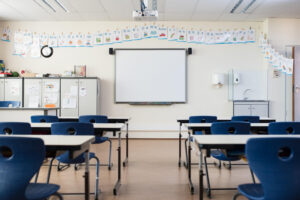
Indoor Air Quality (IAQ) in schools is a foundational element of student health, staff wellbeing, and academic performance. Students spend a significant portion of their day inside classrooms, where air quality directly influences concentration, comfort, and overall learning outcomes.
While ventilation design and filtration are essential, the cleanliness of HVAC systems—particularly ductwork—plays a critical and often overlooked role in maintaining a healthy school environment.
Why IAQ Matters in Educational Settings
Research consistently shows that poor IAQ is associated with increased absenteeism, respiratory symptoms, and decreased cognitive performance. In school environments, this translates to missed instructional time, reduced engagement, and strain on staff and families.
Common IAQ-related concerns include:
- Increased absenteeism due to illness
- Respiratory issues such as asthma exacerbations and allergies
- Headaches, fatigue, and difficulty concentrating
- Odors and discomfort that disrupt the learning environment
Common Sources of Indoor Air Contaminants in Schools
School buildings experience high occupancy and varied activities, which can contribute to indoor air contamination. Over time, HVAC systems can accumulate and distribute pollutants if not properly maintained.
Typical sources include:
- Dust and particulate matter from daily activity
- Pollen and outdoor contaminants entering through ventilation systems
- Fibers from carpets, insulation, and building materials
- Microbial growth (mold and bacteria), particularly in areas with moisture
- Residual debris from construction, maintenance, or renovations
The Role of HVAC Systems in IAQ
HVAC systems are responsible for circulating and conditioning air throughout a school building. When functioning properly, they help dilute contaminants, control humidity, and maintain comfortable temperatures.
However, if ductwork is contaminated, these systems can distribute pollutants across classrooms, hallways, and shared spaces—impacting large numbers of occupants simultaneously.
How HVAC Cleaning Improves IAQ
Professional HVAC and air duct cleaning removes accumulated dust, debris, and potential microbial growth from the system. This reduces the amount of airborne contaminants circulating within the building.
Key benefits include:
- Reduced particulate levels in occupied spaces
- Improved respiratory comfort for students and staff
- Better airflow and HVAC system efficiency
- Support for consistent and effective filtration performance
- Contribution to a cleaner, healthier learning environment
Alignment with EPA IAQ Guidance for Schools
The U.S. Environmental Protection Agency (EPA) emphasizes the importance of maintaining HVAC systems as part of its Indoor Air Quality Tools for Schools program.
According to EPA guidance, effective IAQ management includes routine inspection, cleaning, and maintenance of HVAC components to prevent the buildup and distribution of contaminants.
Incorporating duct cleaning into a school’s maintenance plan aligns with these recommendations and supports a proactive approach to environmental health.
When Schools Should Consider Duct Cleaning
School administrators and facility managers should evaluate HVAC cleaning under several conditions:
- Visible dust buildup or debris in vents or registers
- Persistent odors or complaints about air quality
- After construction, renovation, or water intrusion events
- Increased allergy or respiratory complaints among occupants
- As part of a scheduled preventive maintenance program
A Health-Focused Approach to Facility Management
Improving IAQ requires a comprehensive strategy that integrates HVAC maintenance, filtration upgrades, moisture control, and regular inspections.
By prioritizing HVAC cleanliness, schools can take a meaningful step toward reducing health risks, improving attendance, and creating an environment that supports student success.
Healthier Learning Environments Starts With Clean Air
In educational environments, air quality is directly tied to student health and performance. Clean HVAC systems play a critical role in delivering safe, breathable air throughout school buildings.
Clean air isn’t a luxury in schools—it’s part of the learning environment. Contact us today to learn how professional HVAC cleaning services can help support healthier, cleaner air quality throughout your school facility.