The first chilly morning of the season arrives, you turn on the heat, and suddenly a burning or dusty smell comes through the vents. Is it normal—or a warning sign? In many homes, a brief dusty odor at the first heating cycle is common. But some smells indicate problems that call for immediate attention. Understanding the difference—and preparing your HVAC system before cold weather—can help keep your home comfortable, efficient, and safe.
Why Your Heater Smells Like Burning Dust When First Turned On
During warmer months, dust can settle on heating components such as the heat exchanger, electric heating elements, and nearby surfaces. When those surfaces warm up for the first time in fall, the accumulated dust may briefly produce a burning-dust smell. The odor often fades after the system has run for a short period.
Even with a furnace filter, some fine particles can move through the HVAC system or collect downstream over time. A filter’s effectiveness depends on its type, MERV rating, fit, condition, and the airflow of the system; there is no single dust-capture percentage that applies to every home. Dirty return ducts, blower compartments, and other HVAC surfaces can also contribute to dust buildup.
When Is a Burning Smell From Your Furnace NOT Normal?
A mild dusty smell that disappears is different from a strong, persistent, or unusual odor. Stop using the heating system and seek professional assistance if you notice:
- An electrical, melting-plastic, or sharp chemical smell, which may indicate overheating parts or wiring.
- Visible smoke, sparks, or a burning odor that grows stronger or does not go away.
- Unusual furnace noises, repeated shutdowns, or an overheating warning.
- A rotten-egg or sulfur-like odor that may indicate a gas leak.
If you suspect a gas leak, leave the building immediately, avoid switches and phones inside, and call your gas utility or emergency services from outside. If there is smoke or fire, evacuate and call 911. Carbon monoxide has no smell; keep functioning CO alarms installed and seek emergency help if they sound or occupants develop concerning symptoms.
How to Prepare Your Heating System Before the First Cold Snap
1. Replace or inspect your HVAC air filter
Check the filter before turning on the heat and replace it when needed according to the manufacturer’s recommendations. Use a properly sized filter with a suitable efficiency rating; an overly restrictive filter can reduce airflow.
2. Schedule a professional heating-system inspection
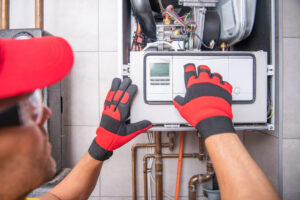
Have a qualified HVAC technician check the furnace or heat pump, electrical connections, burners (if applicable), safety controls, and venting. A duct cleaning company does not replace a furnace safety inspection.
3. Inspect supply registers and return-air grilles
Remove visible dust from accessible registers, keep returns unobstructed, and move furniture or rugs that block airflow. Never reach into moving or energized equipment.
4. Look for signs of buildup inside the ductwork
Dusty vents, debris after renovations, and visible accumulation may justify an inspection of the duct system. Proper cleaning should address relevant components rather than simply blowing debris from one opening to another.
5. Test smoke and carbon monoxide alarms
Check alarms according to their instructions, confirm placement meets local requirements, and replace expired units. Keep furnace areas clear of combustible storage.
6. Clear accessible exterior openings
From a safe location, check that outdoor furnace exhaust and intake openings are unobstructed by leaves or debris. Do not alter appliance venting, and never block a flue or exhaust outlet.
7. Run a brief pre-season test
Turn the thermostat to heat before temperatures plunge and observe the system. A faint initial dusty odor may dissipate; persistent or harsh odors warrant shutting it off and contacting an HVAC professional.
Can Air Duct Cleaning Help With Dust and Heating Odors?
Professional air duct cleaning may remove accumulated dust and debris from accessible HVAC components and ductwork, especially when a system is visibly contaminated. However, not every first-use burning smell means ducts need cleaning, and duct cleaning cannot fix a cracked heat exchanger, failing motor, electrical problem, or gas leak. Those conditions require appropriate HVAC repair or emergency response.
At Advanced Furnace and Air Duct Cleaning Inc., our approach emphasizes cleaning the entire applicable duct system with professional source-removal equipment, including high-powered negative-air collection and appropriate agitation tools. Cleaning practices should be matched to system design, accessibility, and the condition of the equipment.
A Smarter Fall HVAC Maintenance Routine Starts Before Winter
Preparing your heating system early can reduce surprise breakdowns during the first cold stretch. Start with the filter, a professional heating inspection, clear vents, and working alarms. If a qualified inspection identifies significant dust or debris in your air ducts, arrange professional cleaning to address that buildup. Pairing these steps gives you a more complete seasonal maintenance plan than simply waiting for an odor to appear.
Frequently Asked Questions
How long should a burning-dust smell last when I first turn on the heat?
A light dusty smell often fades after an initial period of operation. If it is strong, worsens, or persists, turn the system off and contact a qualified HVAC professional.
Does a burning smell mean I need air duct cleaning?
Not necessarily. First-use dust on heating surfaces can cause a temporary odor. Duct cleaning may be appropriate when there is substantial debris or contamination, but the odor’s cause should be assessed first.
Should I run my furnace with the windows open to burn off dust?
Do not try to “burn off” a strong or suspicious odor. If the smell is mild and clearly dusty, you may ventilate the home for comfort while monitoring the system. Shut it down if anything seems unusual.
When is the best time to schedule HVAC and air duct maintenance?
Late summer and early fall are convenient times to inspect the system and address issues before the winter heating season.
Prepare for Heating Season With Advanced Air Duct Cleaning
Serving homeowners and businesses throughout New Jersey, Eastern Pennsylvania, Northern Delaware, and Staten Island, Advanced Furnace and Air Duct Cleaning Inc. has provided professional air duct cleaning services since 1964. If your ductwork has visible dust buildup or you want to discuss professional duct cleaning as part of your fall maintenance plan, contact our team to learn more or request service.
Important: If you suspect a furnace malfunction, electrical hazard, or gas leak, contact a qualified HVAC service provider, utility, or emergency services as appropriate rather than relying on duct cleaning.