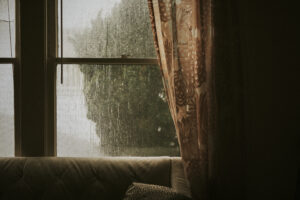
Many people notice a distinct, fresh smell in the air just before or after it rains. While it may seem clean and refreshing, that scent actually comes from a combination of natural compounds and atmospheric reactions.
Two primary contributors to this smell are ‘petrichor’ and ozone. Understanding what these are can help you determine whether that post-rain scent is truly healthy to breathe.
What Is Petrichor?
Petrichor is the earthy scent produced when rain falls on dry soil. Plants release oils during dry periods, and when rain hits the ground, those oils combine with a compound produced by soil-dwelling bacteria called geosmin. The result is the pleasant, earthy aroma many people associate with rainfall.
Petrichor itself is generally harmless in normal outdoor concentrations.
What Is Ozone?
Ozone is a gas composed of three oxygen molecules (O₃). During thunderstorms, lightning can split oxygen molecules in the atmosphere. When they recombine, they can form ozone, which has a sharp, clean, chlorine-like smell.
While ozone high in the atmosphere protects us from harmful ultraviolet rays, ground-level ozone is different. It is considered a respiratory irritant and is a key component of air pollution.
Is It Safe to Breathe?
Brief exposure to low outdoor levels of ozone after a storm is typically not harmful for most healthy individuals. However, elevated ground-level ozone can irritate the lungs, trigger asthma symptoms, cause coughing, throat irritation, and shortness of breath—especially in children, older adults, and those with respiratory conditions.
If you notice a strong, sharp smell during or after storms, it’s best to limit prolonged outdoor exposure if you are sensitive to respiratory irritants.
How Rain and Ozone Affect Indoor Air Quality
Opening windows during or after rain can introduce humidity, outdoor allergens, and airborne pollutants into your home. Excess moisture combined with contaminants may contribute to mold growth and musty odors inside ductwork.
Maintaining clean air ducts, properly functioning drainage systems, and balanced humidity levels (ideally 30–50%) helps protect your indoor air quality year-round.
Protect Your Indoor Air
At Advanced Air Duct Cleaning, we understand how outdoor conditions impact your home’s air. If you experience lingering odors, excess humidity, or indoor air concerns after storms, a professional duct inspection and cleaning can help ensure your HVAC system is circulating clean, healthy air.
Fresh air is important—but ensuring it’s properly filtered and balanced inside your home is essential for long-term comfort and respiratory health. Noticing lingering odors or air quality issues after a storm? Contact us today to schedule a professional air duct inspection and keep your home’s air clean and balanced.