Indoor Air Quality (IAQ) is more than a facility management concern—it is a matter of risk management and legal exposure. For municipalities, schools, healthcare facilities, and commercial buildings, poor air quality can lead to employee complaints, public concerns, and in some cases, formal claims or litigation.
Taking a proactive approach to IAQ management, including routine HVAC and air duct cleaning, is a critical step in reducing liability while protecting occupant health and organizational reputation.
Understanding IAQ-Related Liability
When indoor air quality issues arise, they can quickly escalate beyond maintenance concerns into legal and regulatory challenges. Complaints about air quality often center on health symptoms, environmental discomfort, or perceived unsafe conditions.
Common IAQ-related risks include:
- Employee claims related to respiratory issues, allergies, or workplace conditions
- Public complaints in municipal or shared-use facilities
- Increased scrutiny during inspections or regulatory reviews
- Potential legal action if conditions are believed to cause harm
Common Sources of IAQ Issues
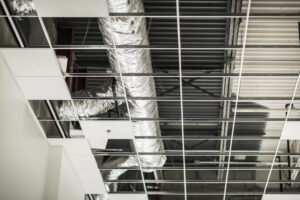
IAQ problems are often linked to HVAC systems that are not properly maintained. Over time, ductwork and system components can accumulate contaminants that are distributed throughout the building.
Typical contributors include:
- Dust and particulate buildup within duct systems
- Mold or microbial growth due to moisture
- Debris from construction or maintenance activities
- Poor airflow or ventilation inefficiencies
The Role of Preventive HVAC Cleaning
Preventive HVAC and air duct cleaning is a key component of an effective IAQ management strategy. Removing accumulated contaminants helps reduce the risk of airborne pollutants being circulated within occupied spaces.
Benefits of preventive cleaning include:
- Reduced exposure to airborne irritants and allergens
- Improved overall indoor air quality
- Enhanced HVAC system performance and efficiency
- Lower likelihood of complaints or reported issues
Reducing Risk Through Proactive Management
Organizations that take a proactive approach to IAQ management are better positioned to prevent issues before they arise. This includes regular system inspections, scheduled cleaning, and prompt response to any identified concerns.
By addressing potential IAQ risks early, facilities can reduce the likelihood of escalated complaints, investigations, or legal exposure.
The Importance of Documentation and Verification
In addition to performing the work, documenting IAQ management efforts is essential for liability protection. Proper documentation provides evidence that a facility has taken reasonable and appropriate steps to maintain a safe indoor environment.
Key documentation practices include:
- Before-and-after photos of HVAC and ductwork conditions
- Detailed service reports outlining scope of work and findings
- Maintenance logs and cleaning schedules
- Records of inspections and corrective actions taken
This documentation can be critical in responding to complaints, supporting internal investigations, and demonstrating compliance during audits or legal proceedings.
Protecting Municipalities and Public-Facing Facilities
For municipalities and public-facing organizations, IAQ issues can impact not only employees but also community members. Maintaining clean HVAC systems demonstrates a commitment to public health and responsible facility management.
Proactive IAQ management helps protect against reputational risk, ensures a safer environment for occupants, and provides a defensible position should concerns arise.
Make Indoor Air Quality a Priority Before Problems Arise
Indoor air quality is directly tied to both occupant wellbeing and organizational liability. Facilities that prioritize preventive HVAC cleaning and thorough documentation are better equipped to manage risk, reduce complaints, and protect against potential claims.
In today’s environment, effective IAQ management is not just good practice—it is a critical component of risk mitigation and legal protection. If you’re looking to strengthen your indoor air quality management strategy, contact us today to learn how our HVAC and air duct cleaning services can help create a cleaner, healthier, and more defensible facility environment.