 Indoor air quality is about more than dust, filters and ventilation. Moisture—and specifically relative humidity—can have a major effect on how a building feels, how its HVAC system performs and whether conditions develop that support mold or other microbial growth.
Your HVAC system plays an important role in managing both temperature and moisture. But cooling coils, condensate drain pans, ductwork and insulation can also become problem areas when condensation is not properly controlled or when dirt and moisture are allowed to accumulate. Understanding the connection between humidity and HVAC cleanliness can help homeowners and facility managers identify problems before they become larger indoor air quality concerns.
What Is Relative Humidity?
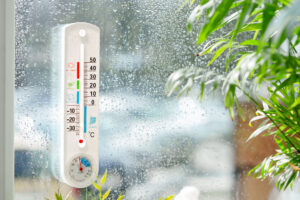
Relative humidity, commonly abbreviated RH, describes the amount of water vapor in the air relative to the maximum amount the air can hold at the same temperature. As temperature changes, relative humidity changes as well.
The U.S. Environmental Protection Agency recommends keeping indoor relative humidity below 60 percent and, when possible, in the 30 to 50 percent range. Excessive indoor humidity can increase the likelihood of condensation and create conditions that are more favorable for mold growth.
How Your HVAC System Helps Control Humidity
Air-conditioning systems do more than lower indoor temperature. As warm, humid air passes across a cold evaporator or cooling coil, water vapor condenses on the coil. That moisture should fall into a condensate drain pan and then leave the system through a properly functioning drain.
This process helps dehumidify indoor air. However, conventional air-conditioning equipment primarily responds to temperature. Depending on equipment design, outdoor conditions, building loads and system operation, cooling alone may not always provide the humidity control a building needs.
Condensation: When Moisture Becomes a Building Problem
Condensation occurs when humid air contacts a surface that is cold enough for water vapor to become liquid. Inside an HVAC system, condensation on a cooling coil is expected and should be managed by the condensate system. Condensation on duct exteriors, insulation, ceilings, walls or other unintended surfaces is a warning sign that moisture conditions should be investigated.
Persistent condensation can wet building materials and HVAC components. If those materials remain damp, the risk of microbial growth and material deterioration can increase.
Cooling Coils: Where Moisture and Dirt Can Meet
Cooling coils are naturally wet during air-conditioning operation. At the same time, airborne particles that pass through filtration can accumulate on coil surfaces. When dirt and dust remain on a damp coil, the combination can create conditions that support microbial growth.
Dirty coils can also restrict airflow and interfere with heat transfer. Routine inspection and professional cleaning when needed help keep these important HVAC surfaces free of excessive buildup.
Drain Pans and Condensate Lines Matter
The water removed from indoor air must have somewhere to go. Condensate drain pans are designed to collect water from the cooling coil and direct it into the drainage system. They should drain freely rather than hold standing water.
EPA guidance specifically recommends keeping air-conditioning drip pans clean and drain lines unobstructed. A poorly draining or dirty pan can become a reservoir for moisture, debris and microbial contamination. Clogged drains can also contribute to overflow and water damage around the air-handling equipment.
Insulation Helps Prevent Unwanted Condensation
HVAC insulation is another important part of moisture management. Cold supply ducts, chilled-water piping and other cold surfaces can sweat when they are exposed to warm, humid surrounding air. Proper insulation helps keep the exterior surface temperature above the surrounding air’s dew point and reduces the chance of condensation.
Damaged, missing or improperly installed insulation can allow cold surfaces to become wet. Once insulation itself becomes persistently damp, it may be difficult to dry and can create additional concerns. Wet or deteriorated insulation should be evaluated rather than simply covered over.
Humidity, Dust and Microbial Growth
Moisture is a key factor in mold growth. HVAC systems can contain both moisture and accumulated dust, which is why keeping components clean and properly drained is so important. ASHRAE guidance emphasizes keeping HVAC systems and building materials as dry as practical and preventing persistent dampness, stagnant condensate and wet insulation.
Microbial growth should not automatically be assumed simply because humidity is elevated. But persistent high humidity, visible condensation, standing water, damp debris or musty odors are reasons to investigate the source of moisture and the condition of affected HVAC components.
Signs Humidity May Be Affecting Your HVAC System or Indoor Air Quality
Common warning signs include condensation on ductwork or supply registers, persistent indoor RH above recommended levels, standing water in drain pans, clogged condensate lines, wet or deteriorating insulation, visible buildup on cooling coils, recurring musty odors and areas that remain damp.
These conditions can have several causes. The important step is to identify why moisture is present instead of addressing only the visible symptom.
Why HVAC Cleaning Is Part of Moisture Management
HVAC cleaning cannot correct every humidity problem. Oversized equipment, building-envelope issues, ventilation problems, water intrusion and inadequate dehumidification may require additional corrective work. However, HVAC cleanliness is an important part of the overall moisture-control picture.
Removing accumulated dirt and debris from coils, drain pans and other appropriate HVAC components helps eliminate material that can retain moisture. Keeping condensate pathways clear supports proper drainage. Cleaning contaminated duct and air-handling surfaces can also be important after a moisture problem has been identified and the underlying source has been corrected.
Humidity Control Matters in Homes and Commercial Buildings
Humidity problems can occur in houses, offices, schools, healthcare facilities and other commercial or institutional buildings. Larger facilities may have more complex ventilation, cooling and dehumidification requirements, making regular HVAC inspection and preventive maintenance especially important.
Facility managers should pay attention not only to room temperature, but also to RH trends, condensation, coil cleanliness, drain-pan performance and the condition of insulation and other surfaces exposed to moisture.
A Cleaner, Drier HVAC System Supports Better Indoor Air Quality
Humidity and indoor air quality are closely connected. When an HVAC system properly removes moisture, drains condensation and keeps cold surfaces insulated, it helps maintain a more controlled indoor environment. When moisture combines with dirty coils, standing water, clogged drains or damp insulation, conditions can develop that deserve attention.
Advanced Furnace and Air Duct Cleaning Inc. has served residential, commercial, institutional and healthcare customers since 1964. Our experienced team provides professional air duct, HVAC system and coil cleaning throughout New Jersey, Northern Delaware, Eastern Pennsylvania and Staten Island.
Concerned about moisture, dirty coils, drain pans or contamination inside your HVAC system? Contact Advanced Air Duct Cleaning to discuss professional HVAC system cleaning for your home or facility.