When homeowners and facility managers think about HVAC cleaning, air ducts and filters often receive most of the attention. But one of the most important—and frequently overlooked—components is the air-conditioning evaporator coil. Because an evaporator coil is routinely exposed to moisture, airborne dust and organic debris, a dirty coil can create conditions that support microbial growth.
The evaporator coil plays a critical role in cooling and dehumidifying indoor air. As warm air passes across the cold coil, moisture in the air condenses on its surface. Under normal conditions, that moisture drains away through the condensate system. However, when dust and debris accumulate on the coil and surrounding components, the combination of moisture and material buildup can create an environment where mold and bacteria may grow.
Why Evaporator Coils Stay Wet
During cooling season, an evaporator coil can remain damp for extended periods. Condensation is a normal part of air-conditioning operation: the cold coil removes both heat and moisture from the air passing through the system.
Problems can develop when moisture combines with accumulated dust, dirt and other debris. Instead of having a relatively clean surface that drains efficiently, the coil can become coated with material that traps moisture and provides a more favorable environment for microbial growth.
What Builds Up on an AC Evaporator Coil?
Even with regular filter changes, small airborne particles can make their way into HVAC equipment. Over time, evaporator coils may collect dust, fibers, pollen and other particulate matter. The amount of buildup depends on factors such as filtration, system maintenance, operating conditions, building use and the cleanliness of the surrounding HVAC system.
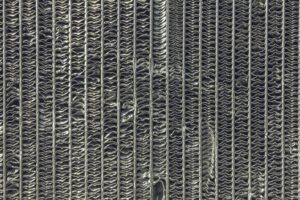
Once this material becomes damp from condensation, it can be more difficult to remove and may interfere with airflow through the tightly spaced coil fins.
How Mold and Bacteria Can Develop Around HVAC Coils
Microorganisms need appropriate environmental conditions to grow. Moisture is one of the most important factors. A damp evaporator coil, combined with accumulated organic material and suitable temperatures, can provide conditions that support microbial growth on contaminated surfaces.
Growth may also occur in nearby areas such as drain pans or other persistently damp HVAC components. That is why evaluating the entire coil and condensate area is more useful than focusing only on the portion of the coil that is easiest to see.
Signs Your Evaporator Coil May Need Attention
A dirty evaporator coil is not always obvious from inside the occupied space. Warning signs can include visible dirt or buildup on accessible coil surfaces, musty odors when the HVAC system operates, reduced airflow, excessive moisture around the air handler, a dirty or slow-draining condensate pan, or cooling performance that has declined.
These symptoms can have multiple causes, so an inspection is the best way to determine the actual condition of the coil and surrounding HVAC components.
Dirty Coils Can Affect More Than Cleanliness
Restricted Airflow
Evaporator coils contain closely spaced fins designed to transfer heat efficiently. When dirt accumulates across those surfaces, airflow can become restricted, forcing the HVAC system to work under less-than-ideal conditions.
Reduced Heat Transfer
A layer of debris on the coil can interfere with the transfer of heat between the air and the coil surface. Keeping the coil clean supports the component’s intended cooling performance.
Drainage and Moisture Problems
Debris can also collect in the condensate area. Drain pans and drain lines should be kept clear so condensation can leave the system as designed rather than remaining where excess moisture can contribute to additional problems.
Odor Concerns
Musty odors from an HVAC system can have several possible sources. When contamination and persistent moisture are present around the evaporator coil or drain pan, those components should be included in the investigation.
Why Simply Changing the Filter May Not Be Enough
Changing HVAC filters regularly is an important part of system maintenance, but a new filter does not remove contamination that has already accumulated on an evaporator coil. Once buildup is present, the coil may require professional cleaning using methods appropriate for the equipment and its condition.
The filter, duct system, blower, coil and condensate components all work together. Looking at HVAC cleanliness as a system rather than as isolated parts can help identify the source of recurring dust, moisture or contamination issues.
Professional Evaporator Coil Cleaning
Evaporator coils are delicate HVAC components. Their fins can be damaged, and improper cleaning methods or chemicals can create additional problems. Professional coil cleaning begins with evaluating the condition and accessibility of the equipment and selecting a cleaning method appropriate for the system.
Removing accumulated debris from the coil can help restore a cleaner heat-transfer surface, support proper airflow and eliminate material that can retain moisture. The condensate pan and drainage system should also be evaluated when moisture or contamination is a concern.
Residential and Commercial AC Coil Cleaning
Evaporator coil cleanliness matters in homes as well as commercial, institutional and healthcare buildings. Systems that operate for long hours, serve high-occupancy spaces or are exposed to significant airborne debris may require closer attention as part of an HVAC maintenance and cleaning program.
For commercial facilities, coil condition can also affect equipment performance across larger air-handling systems, making routine inspection an important part of maintaining HVAC cleanliness.
Keep the Hidden Side of Your HVAC System Clean
Your evaporator coil may be out of sight, but it should not be out of mind. Moisture is a normal part of air-conditioning operation, and when that moisture combines with accumulated dust and debris, the coil and surrounding components can develop conditions that support mold and bacterial growth.
Advanced Furnace and Air Duct Cleaning Inc. has served residential and commercial customers since 1964. Our experienced team provides professional HVAC system, air duct and coil cleaning throughout New Jersey, Northern Delaware, Eastern Pennsylvania and Staten Island. Concerned about a dirty evaporator coil or contamination inside your HVAC system? Contact Advanced Air Duct Cleaning to schedule an evaluation and professional HVAC cleaning service.