
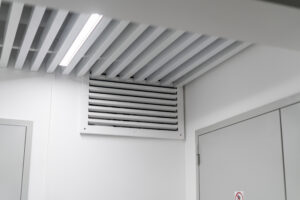
At Advanced Air Duct Cleaning, homeowners often ask if high and low vents are simply installed to increase airflow. While airflow is part of the equation, the true purpose of high and low vents is based on how air temperature naturally behaves inside a home.
Understanding this concept can greatly improve comfort, energy efficiency, and indoor air quality.
How Air Temperature Moves in a Home
Air movement follows basic physical principles:
- Cold air is heavier and settles toward the floor
- Warm air is lighter and naturally rises
Your HVAC system and vent placement are designed to work with these natural patterns, not against them.
The Purpose of Low Vents – Cooling Season
During the summer months, air conditioning systems produce cool air. Because cool air settles, low vents allow cold air to enter the room closer to the floor.
Low vents help:
- Cold air settle naturally into the living space
- Evenly cool the room from the bottom up
- Reduce hot spots near the floor
- Improve cooling efficiency
By allowing cool air to spread at a lower level, the system does not need to work as hard to maintain comfortable temperatures.
The Purpose of High Vents – Heating Season
In winter, heating systems produce warm air, which naturally rises.
High vents allow:
- Warm air to enter higher in the room
- Heat to spread across the upper portion of the space
- Warm air to circulate downward as it cools
This prevents heat from becoming trapped near the ceiling and helps maintain consistent temperatures throughout the room.
Seasonal Vent Design – Working With Air Movement
High and low vents are strategically placed to complement seasonal airflow patterns:
- Summer: Low vents allow cool air to settle into the room
- Winter: High vents allow warm air to rise and circulate effectively
This design helps:
- Maintain even temperatures
- Reduce temperature stratification
- Improve comfort in every room
- Increase HVAC efficiency
More Than Just Airflow
High and low vents also play an important role in maintaining proper air pressure throughout the home. Proper vent placement:
- Supports balanced airflow
- Reduces stress on ductwork
- Helps HVAC systems operate as designed
- Improves overall system longevity
Blocked or improperly modified vents can disrupt this balance and negatively impact indoor air quality.
Indoor Air Quality Benefits
Efficient air circulation reduces stagnant areas where dust, allergens, and pollutants can accumulate. When airflow is balanced:
- Filtration works more effectively
- Air exchanges occur more consistently
- Indoor air quality improves
At Advanced Air Duct Cleaning, we frequently see how improper airflow contributes to dust buildup and comfort issues.
Common Homeowner Mistakes
- Closing vents completely in unused rooms
- Blocking low vents with furniture or rugs
- Assuming vent height does not matter
- Modifying vents without professional guidance
These actions can reduce efficiency, increase energy costs, and strain your HVAC system.
Final Thoughts
High and low vents are not just about airflow—they are designed to work with the natural behavior of air. Cold air settles, and warm air rises. When vents are placed and used correctly, your home stays more comfortable, energy-efficient, and healthier year-round.
For expert advice on airflow, duct systems, and indoor air quality solutions, trust Advanced Air Duct Cleaning and contact us today.